Table of Contents (10 sections)
What is a Family Fun Day?
A family fun day is an organized event that brings family members together for a series of enjoyable and engaging activities. The primary goal is to strengthen family bonds while having fun and creating lasting memories. This concept has gained traction over the years and isn't confined to any specific day of the week; it can happen anytime. Engaging in playful activities, be it indoors or outdoors, enables families to reconnect amidst busy lives. Statistics indicate that families who engage in regular bonding activities report higher levels of happiness and communication. According to a study conducted by the American Psychological Association, family bonding activities significantly reduce stress levels and improve overall mental health. Overall, a well-planned family fun day promotes unity and joy, making it a worthwhile endeavor for every family.
Step 1: Set a Date and Budget
The first step in planning an unforgettable family fun day is to choose a date that works for everyone involved. This may require some discussion, particularly if family members have varying schedules or commitments. Once a date is set, it’s time to consider your budget. Understanding how much you can spend will help in selecting activities and venues. Start by estimating costs for each activity, food, and transportation. For instance, suppose you plan for a picnic at a local park — consider costs for blankets, food, and games. Research average prices on popular family activities and allocate funds accordingly. A common mistake is overlooking small expenses; they add up quickly! Having a checklist can help you avoid missing anything essential when finalizing the budget.

Step 2: Gather Input from Family Members
Involving every family member in the planning process ensures that the activities cater to everyone's interests. Start by hosting a family meeting, where everyone can voice their preferences for activities. Create a list of possible activities based on these suggestions. Consider creating categories based on interests or age groups. For example, younger children may prefer outdoor games like tag or scavenger hunts, while teenagers might enjoy video games or a movie marathon. It’s crucial to validate everyone’s input; even a simple suggestion can lead to wonderful ideas. Maintaining an open dialogue fosters a sense of belonging and makes the fun day more special.
Step 3: Choose Your Activities
Selection of activities should stem directly from the discussions held in Step 2. Aim for a mix of options that cater to various age groups and interests to ensure everyone remains engaged. Moreover, think about location: will these activities take place at home, a park, or an event venue? Common choices for a family fun day may include:
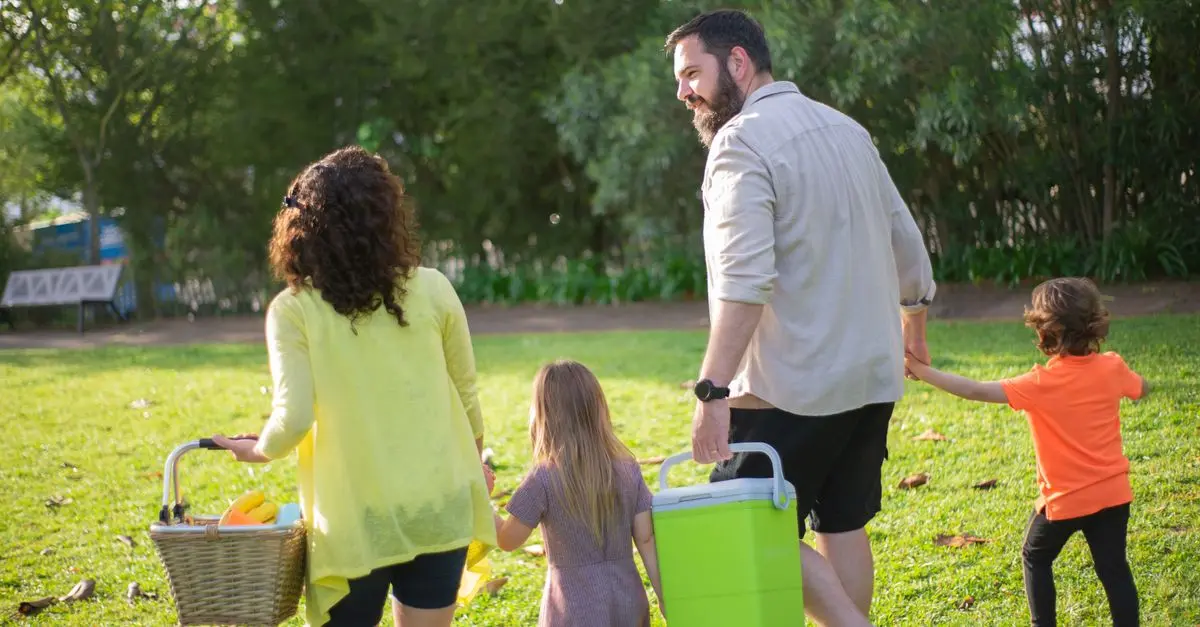
- Outdoor Picnics: Ideal for enjoying nature's tranquility while indulging in delicious food.
- Game Tournaments: Board games for all ages; popular options include family trivia or card games.
- Crafting Projects: Creative time allows family members to express themselves, making keepsakes that represent the day.
- Movie Nights: Organize a film festival at home or in the backyard with a projector.
- Sports Activities: Mini-Olympics or relay races can be thrilling ways to get everyone active. Each choice should reflect a balance between everyone’s interests for a well-rounded day.
Step 4: Plan the Logistics
With activities chosen, it’s time to dive into logistics. Begin by creating a timeline of the day, from arrival times to the start and end of each activity. This will assist in ensuring that you cover all planned events without feeling rushed. Next, remember to account for necessary supplies and equipment. If you plan on going to a park, ensure you have transportation arranged and necessary permits, if required. This is also a good time to consider meal planning — whether you’ll have a barbecue, a potluck style meal, or quick snacks on hand. Don’t forget to check the weather if outdoor activities are planned. Preparation vastly increases the likelihood of a smooth, enjoyable experience.
Step 5: Create a Backup Plan
Life can be unpredictable, especially when planning outdoor activities. Have alternatives ready if something goes awry — for instance, indoor activities if it rains. Besides alternate venue options, ensure you have quick snacks and beverages prepared for any changes in plans. Flexibility is key for family fun days! Assign roles to family members to ask them to jump in with suggestions. A backup plan can prevent disruption and frustration when unexpected events arise, thus keeping the day enjoyable for all.
Checklist for Your Family Fun Day
- [ ] Choose a date and set a budget.
- [ ] Discuss and gather activity ideas with family members.
- [ ] Finalize and prioritize activities to ensure diverse options.
- [ ] Create a timeline and allocate tasks for the day.
- [ ] Prepare a backup plan for unexpected circumstances.
FAQs
Q1: What are some low-cost family fun day activities?
A1: Enjoying a picnic, playing board games, or going for a nature walk are all affordable and engaging activities.
Q2: How can we keep teenagers engaged during family fun day?
A2: Incorporate activities that they enjoy, such as sports, movie marathons, or video gaming tournaments.
Q3: Is it important to have a purpose for family fun day?
A3: While it’s not strictly necessary, having a purpose can enhance the experience. For example, an appreciation for family ties can be a wonderful theme.
Q4: What if the weather ruins our outdoor plans?
A4: Always have an indoor backup plan such as board games, a movie night, or crafting activities for when the weather is not cooperative.
Glossary
| Term | Definition |
|---|---|
| Family Fun Day | A day dedicated to engaging family members in enjoyable activities to build bonds and create memories. |
| Budget | An estimated allocation of funds for planned activities and meals to manage spending effectively. |
| Backup Plan | An alternative plan in case original activities cannot proceed as planned, ensuring the fun remains uninterrupted. |
> 🧠 Quiz rapide : How often should families organize fun days?
> - A) Once a year
> - B) Once a month
> - C) Whenever possible
> Réponse : C — The more frequent the bonding time, the stronger the family ties.
📺 Pour aller plus loin : family fun day activities for all ages sur YouTube
Recommended products
Selected by our experts